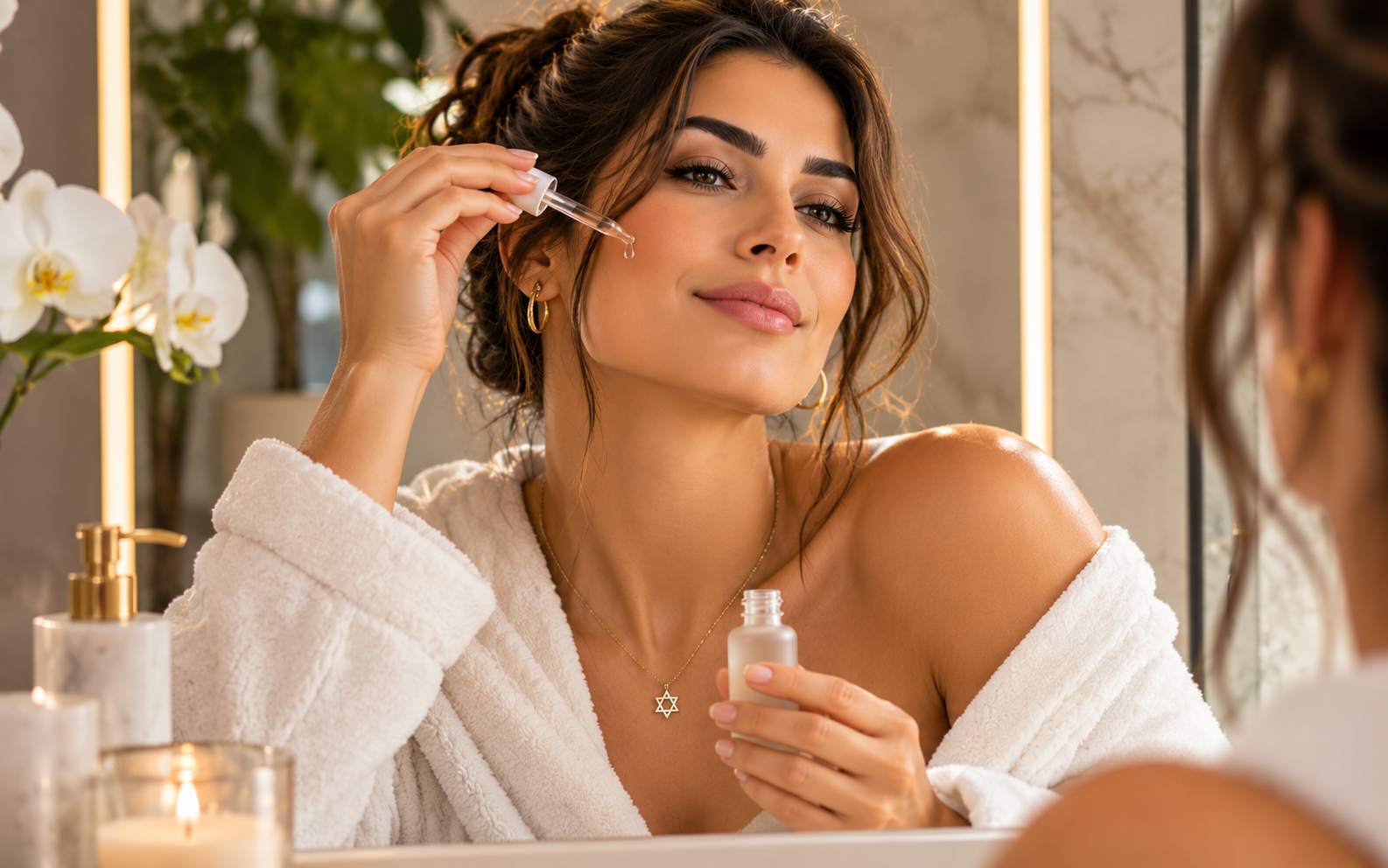
Self-Care Isn't Vanity: It's Part of Your Well-Being
Personal care goes far beyond appearance. Taking time for our skin, hygiene, rest, and overall well-being is a way to recognize our needs and build habits that contribute to a better quality of life. Amid everyday responsibilities, we often place our own care at the bottom of our priorities, overlooking how small actions can influence the way we feel and approach each day. Discover why skincare and self-care aren't about vanity, but meaningful practices that can naturally become part of a routine focused on well-being, confidence, and personal balance.
· Alain Nahle
We live in a society that often associates personal care with appearance. We talk about beauty products, facial treatments, and routines designed to help us look better, but rarely stop to consider what taking time for ourselves truly means.
Self-care should not be reserved for special occasions or driven by other people's expectations.
Personal care is also about recognizing and addressing our physical, emotional, and everyday needs.
Because taking care of yourself isn't vanity. It's part of your well-being.
Self-Care Begins With a Decision
Between professional, family, and personal responsibilities, it becomes easy to place our own needs at the bottom of the list.
We postpone rest, neglect our routines, and begin to believe that dedicating a few minutes to ourselves is a luxury we cannot always afford.
However, well-being does not depend exclusively on major lifestyle changes. It is also shaped by small decisions repeated over time.
Getting adequate rest, maintaining good hygiene, following balanced eating habits, and caring for our skin can all contribute to a healthier daily routine.
We do not need to pursue a perfect appearance to recognize the value of these practices.
Skincare Is About More Than Appearance
Our skin performs essential functions. It acts as a protective barrier against the environment, helps regulate body temperature, and supports moisture retention.
Sun exposure, environmental conditions, and certain lifestyle habits can influence its appearance and overall condition.
That is why a skincare routine does not need to focus exclusively on visible signs of aging.
It can also help maintain clean, hydrated, and protected skin.
The key is understanding that everyone's skin is different and that an effective routine should reflect individual needs.
A Simple Routine Can Be Enough
One common mistake when beginning a skincare journey is assuming that numerous products or complicated procedures are necessary.
In reality, a basic routine can start with three steps:
1. Cleansing
Using a gentle facial cleanser suited to your skin type helps remove dirt, excess oil, and impurities accumulated throughout the day.
Avoid overly harsh products that may cause dryness or irritation.
2. Moisturizing
Moisturizing supports the skin barrier and helps maintain a feeling of softness and comfort.
Choosing a moisturizer appropriate for your skin type can help reduce excessive moisture loss.
3. Sun Protection
Exposure to ultraviolet radiation can contribute to premature skin aging and increase the risk of skin damage.
Daily use of a broad-spectrum sunscreen with SPF 30 or higher is one of the most important steps in a skincare routine.
Sun protection should also include shade and other appropriate measures, especially during prolonged outdoor activities.
A good skincare routine does not need to be complicated. It needs to be appropriate, consistent, and sustainable.
What About Serums and Specialized Treatments?
Once a basic routine is established, some people choose to incorporate additional products to address specific concerns.
Facial serums may contain ingredients intended to support hydration, improve the appearance of skin texture, or complement other cosmetic care.
For example, certain formulations containing peptides and moisturizing agents are designed to help maintain smoother, firmer, and more elastic-looking skin.
However, using more products does not necessarily produce better results.
It is advisable to introduce new formulas gradually, observe how your skin responds, and avoid combining too many active ingredients without understanding their compatibility.
For persistent irritation, acne, or other skin concerns, consulting a qualified dermatologist is recommended.
Personal Care Is for Men, Too
For years, cultural stereotypes portrayed skincare as an activity primarily associated with women.
But skin does not follow stereotypes.
Men can also experience dryness, sensitivity, post-shaving irritation, and the effects of sun exposure.
A routine involving cleansing, moisturizing, and protection can be beneficial regardless of gender.
Men's personal care does not need to follow trends or meet external expectations. It can be as simple as selecting appropriate products and taking a few minutes each day to use them properly.
Well-Being Also Means Learning to Rest
Self-care extends beyond the bathroom mirror.
Getting sufficient sleep, staying physically active, maintaining healthy relationships, and making time for rest are important aspects of overall well-being.
It is also essential to recognize when responsibilities begin exceeding our ability to manage them effectively.
Taking time to rest does not mean abandoning our goals.
Instead, developing sustainable routines can help maintain a healthier balance between our obligations and personal needs.
Confidence Should Not Depend on Perfection
Wanting to feel comfortable with our appearance is natural. The clothes we wear, our hygiene, and our personal routines can all contribute to how we express our identity.
However, there is an important difference between caring for ourselves because we value our well-being and doing so because we feel we are never good enough.
Personal confidence should not depend on achieving unrealistic beauty standards.
Self-care can become an opportunity to show ourselves attention and respect without constantly comparing ourselves to others.
Build a Routine That Works for You
Not everyone has the same amount of time, budget, or personal needs.
That is why the best starting point is identifying habits that can realistically become part of our everyday lives.
- Start with the essentials: cleansing, moisturizing, and sun protection.
- Understand your skin: observe how it responds to products and avoid formulas that cause irritation.
- Prioritize consistency: a simple routine you can maintain is often more useful than an overly complicated one.
- Respect your needs: make room for rest, physical activity, and personal time.
- Avoid comparisons: your well-being does not need to conform to someone else's standards.
Taking Care of Yourself Is an Investment in Everyday Well-Being
Personal care is not about stopping time or pursuing an idealized version of ourselves.
It is about recognizing that our needs deserve attention, too.
We can begin with something as simple as establishing a basic skincare routine, improving our sleep schedule, or dedicating a few minutes to an activity we enjoy.
The goal is not to add more obligations to our lives, but to find ways to live with greater balance.
Because taking care of yourself is not about pursuing perfection. It is about learning to treat yourself with the same attention and respect you give to the other important things in your life.